陶亮檢視原始碼討論檢視歷史
| 陶亮 |
 |
|
本名 陶亮 國家 中國 外語 |
簡介
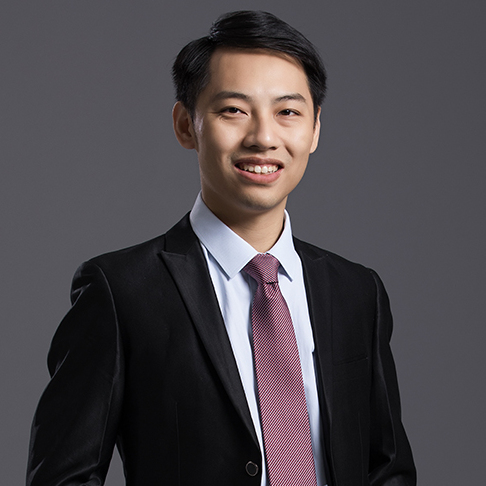
陶亮(1983-),浙江杭州人。2005年在中國科學技術大學獲生命科學及計算機科學雙學士學位,2010年於中國科學技術大學生命科學學院獲生物學博士學位。
2011-2017年在堪薩斯大學醫學中心和哈佛大學醫學院從事博士後研究工作;2017年晉升哈佛醫學院講師。
2018年9月全職加入西湖大學任研究員、博士生導師。
學術成果
陶亮博士一直致力於研究病原微生物和宿主之間的相互作用,尤其是從分子、生化、細胞、生信、遺傳、結構等角度研究病原細菌毒素和效應蛋白對重要細胞功能的影響及作用機制。在基礎研究同時,還從事開發各類細菌毒素衍生物分子用於科研、醫學及商業領域。以第一或通訊作者在Cell, Nature, Science, Nat Microbiol, Nat Electron, Cell Res, Nat Commun, Cell Discov, PLoS Pathog, mLife等學術期刊上發表論文四十餘篇,申請或授權發明專利10項。獲得過中國科學院院長獎、哈佛華人生命醫學優秀學術獎、杭州西湖區「最美科技工作者」、杭州市十大青年科技英才提名獎等榮譽;入選「國家海外高層次人才引進計劃」青年項目、「浙江省海外高層次引進計劃」創新長期項目、浙江省傑出青年項目、浙江省高校領軍人才培養計劃。
課題組目前主要的研究方向包括:(1)細菌毒素對宿主細胞功能的影響和作用機制的研究;(2)微生物在宿主內的適應及與宿主環境平衡的研究;(3)細菌毒素蛋白的工程改造和應用開發。
代表性論文
(* Co-first author. # Corresponding author)
1. Li D*, Yang Q*, Luo J, Xu Y, Li J, Tao L# (2024) Bacterial toxins induce non-canonical migracytosis to aggravate acute inflammation. Cell Discovery 10, 112
2. Lv X*, Zhang Y*, Sun K, Yang Q, Luo J, Tao L#, Lu P# (2024) De novo design of mini-protein binders broadly neutralizing Clostridioides difficile toxin B variants. Nature Communications 15: 8521
3. Zhou R*, He L*, Zhang J*, Zhang X, Li Y, Zhan X#, Tao L# (2024) Molecular basis of TMPRSS2 recognition by Paeniclostridium sordellii hemorrhagic toxin. Nature Communications 15: 1976
4. Zhou Y*, Zhan X*#, Luo J, Li D, Zhou R, Zhang J, Pan Z, Zhang Y, Jia T, Zhang X, Li Y, Tao L# (2023) Structural dynamics of CROPs control stability and toxicity of Paeniclostridium sordellii lethal toxin. Nature Communications 14: 8426
5. Luo J*, Yang Q*, Zhang X*, Zhang Y*, Wan L*, Zhan X, Zhou Y, He L, Li D, Jin D, Zhen Y, Huang J, Li Y#, Tao L# (2022) TFPI is a colonic crypt receptor for TcdB from hypervirulent clade 2 C. difficile. Cell 185(6): 980-984
6. Li X*, He L*, Luo J, Zheng Y, Zhou Y, Yang Q, Li D, Li Y, Tao L# (2022) Paeniclostridium sordellii hemorrhagic toxin targets TMPRSS2 to induce colonic epithelial lesions. Nature Communications 13, 4331
7. Zhou Y*, Li D*, Luo J*, Chen A, Li X, Pan Z, Wan L, He L, Li D, Li Y, Dong M, Tao L# (2021) Sulfated glycosaminoglycans and low-density lipoprotein receptor mediate the cellular entry of Clostridium novyi alpha-toxin. Cell Research 31:935-938
8. Pan Z*, Zhang Y*, Luo J*, Li D, Zhou Y, He L, Yang Q, Dong M#, Tao L# (2021) Functional analyses of epidemic Clostridioides difficile toxin B variants reveal their divergence in utilizing receptors and inducing pathology. PLoS Pathogens 17(1): e1009197
9. Shen E, Zhu K, Li D, Pan Z, Luo Y, Bian Q, He L, Song X, Zhen Y, Jin D, Tao L# (2020) Subtyping analysis reveals new variants and accelerated evolution of Clostridioides difficile toxin B. Communications Biology 3(1):347.
10. Tao L*#, Tian S*, Zhang J*, Liu Z, Robinson-McCarthy L, Miyashita SI, Breault DT, Gerhard R, Oottamasathien S, Whelan SPJ, Dong M# (2019) Sulfated glycosaminoglycans and low-density lipoprotein receptor contribute to Clostridium difficile toxin A entry into cells. Nature Microbiology 4, 1760–1769.
11. Chen P*, Tao L*, Wang T, Zhang J, He A, Lam K, Liu Z, He X, Perry K, Dong M#, Jin R# (2018) Structural basis for recognition of frizzled proteins by Clostridium difficile toxin B. Science 360: 664-669.
12. Tao L*, Peng L*, Berntsson RP-A, Park S, Yu F, Boone C, Stenmark P#, Krupp J#, Dong M# (2017) Engineered botulinum neurotoxin B with improved efficacy for targeting human receptors. Nature Communications 8, 53.
13. Tao L, Zhang J, Meraner P, Tovaglieri A, Wu X, Gerhard R, Zhang X, Stallcup BW, Miao J, He X, Hurdle GJ, Breault TD, Brass AL, Dong M# (2016) Frizzled proteins are colonic epithelial receptors for C. difficile toxin B. Nature 538:350-355.